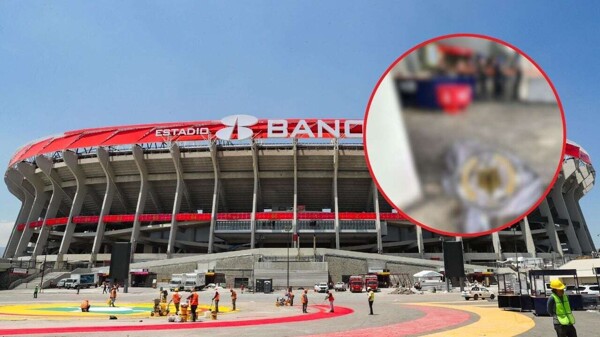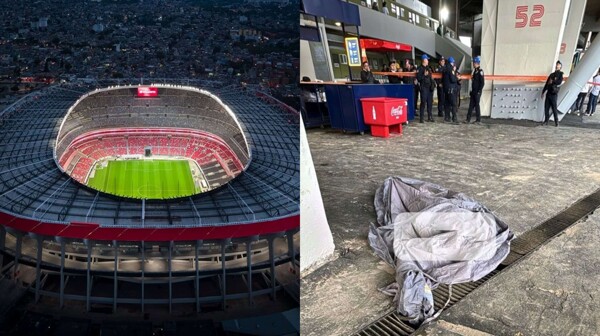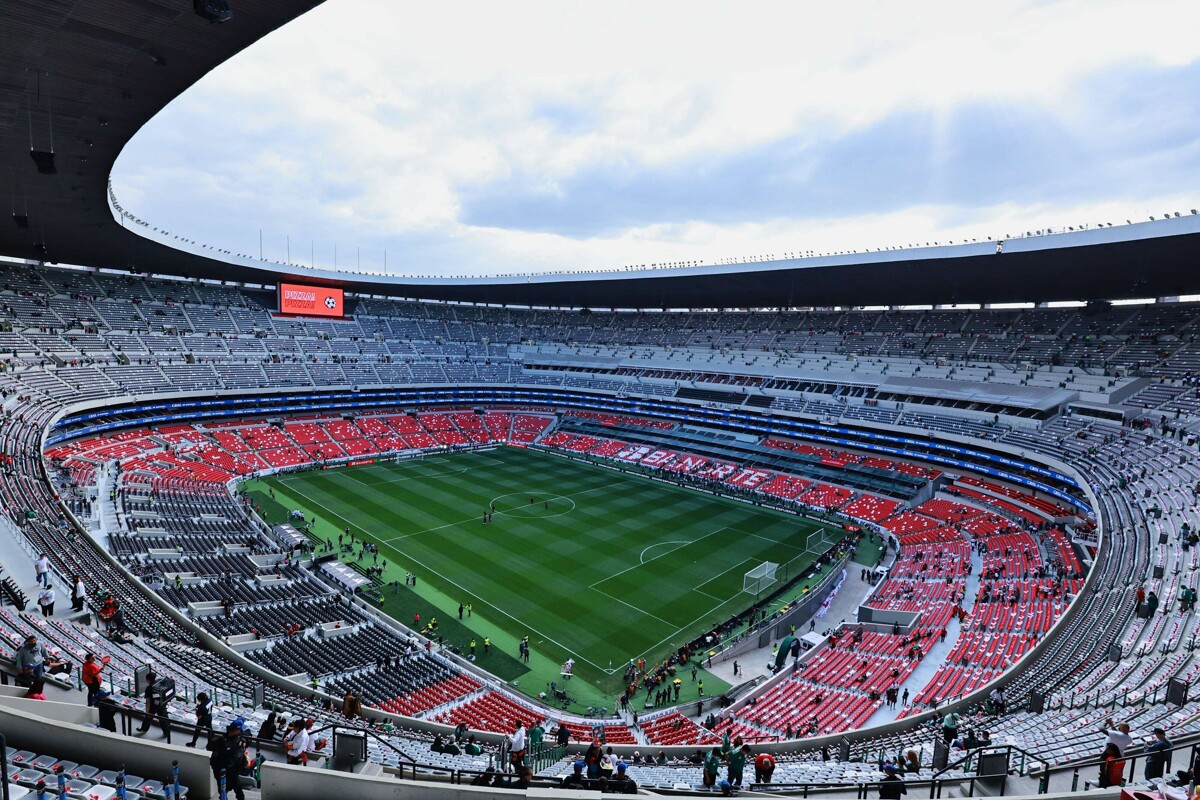
This incident tarnishes the reopening of a venue fighting to preserve its legacy while adapting to modern demands. Time is running out, and the now-called Banorte Stadium must accelerate pending work if it is to be in optimal condition for the World Cup opening on June 11. On social media, several attendees reported infrastructure problems such as leaks and even defects in the bathrooms, including holes that pose a risk to users. These situations raised alarms about the need to reinforce work before the start of the biggest sporting event. Another of the most criticized points was visibility in the lower sections of the stands, a historical problem that persists despite the recent renovation. During the match, numerous fans expressed their dissatisfaction at not being able to properly observe the game's development, despite having paid high-priced tickets. The presence of security fences, photographers, and technical staff complicated the experience even further, forcing several attendees to remain standing to follow the action. Dissatisfaction also reached the press, as the press area was relocated to a corner in the upper part of the stadium, losing the central position that previously offered a better perspective of the field. This decision generated criticism from some journalists and media outlets. To the internal problems was added a logistical chaos at the entrances, where thousands of fans faced long lines and significant delays to enter the venue. Even with the match already underway, a large number of people continued waiting to get in, which evidenced failures in the event's organization. On top of that, the tragic death of a fan inside the stadium will force security measures to be reinforced for the World Cup, with the goal of preventing an event of this magnitude from happening again. The Azteca Stadium reopened this March 28 after being closed for nearly two years due to an ambitious renovation process with an eye on the 2026 World Cup, to be held next summer in Mexico, the United States, and Canada. The reopening of the historic venue, considered by many as the 'cathedral of football,' generated great anticipation among fans, who were finally able to return to its stands to witness the duel between the teams of Mexico and Portugal, a match that served as a showcase for both the advances and pending areas in the venue. The pros of the renovated venue The Colossus of Santa Úrsula was intervened to meet FIFA's strict guidelines, including the installation of state-of-the-art screens and the modification of the players' access to the field, now located in the central part of the pitch, unlike the old entrance through one of the stands. These changes seek to modernize the experience for both players and spectators, aligning the venue with the standards of major international stages today. Among the positive aspects left by this first test was the total renewal of seats in different areas, as well as the incorporation of high-level hospitality areas. These spaces include a restaurant with a direct view of the pitch inside, as well as a panoramic view of Calzada de Tlalpan on the outside, offering a more exclusive experience for certain sectors of the public. History weighs, but so do demands, and the margin for error is increasingly reduced. This is added to a completely new sound system, composed of more than 500 speakers, that notably improved the stadium's acoustics. Technological modernization was also present with the implementation of functional Wi-Fi during most of the match, as well as a digital payment system that will allow attendees to purchase food and beverages using bank cards. Likewise, LED lighting, giant screens, and the hybrid field were other elements that stood out in this renewed version of the venue, which in less than three months will make history by becoming the first to host three World Cups. A lot of work to be done The early reopening of the Azteca Stadium also evidenced various deficiencies that still need to be addressed.